Floating facts that sound made up
All true, all explained by density and buoyancy. Values are approximate.
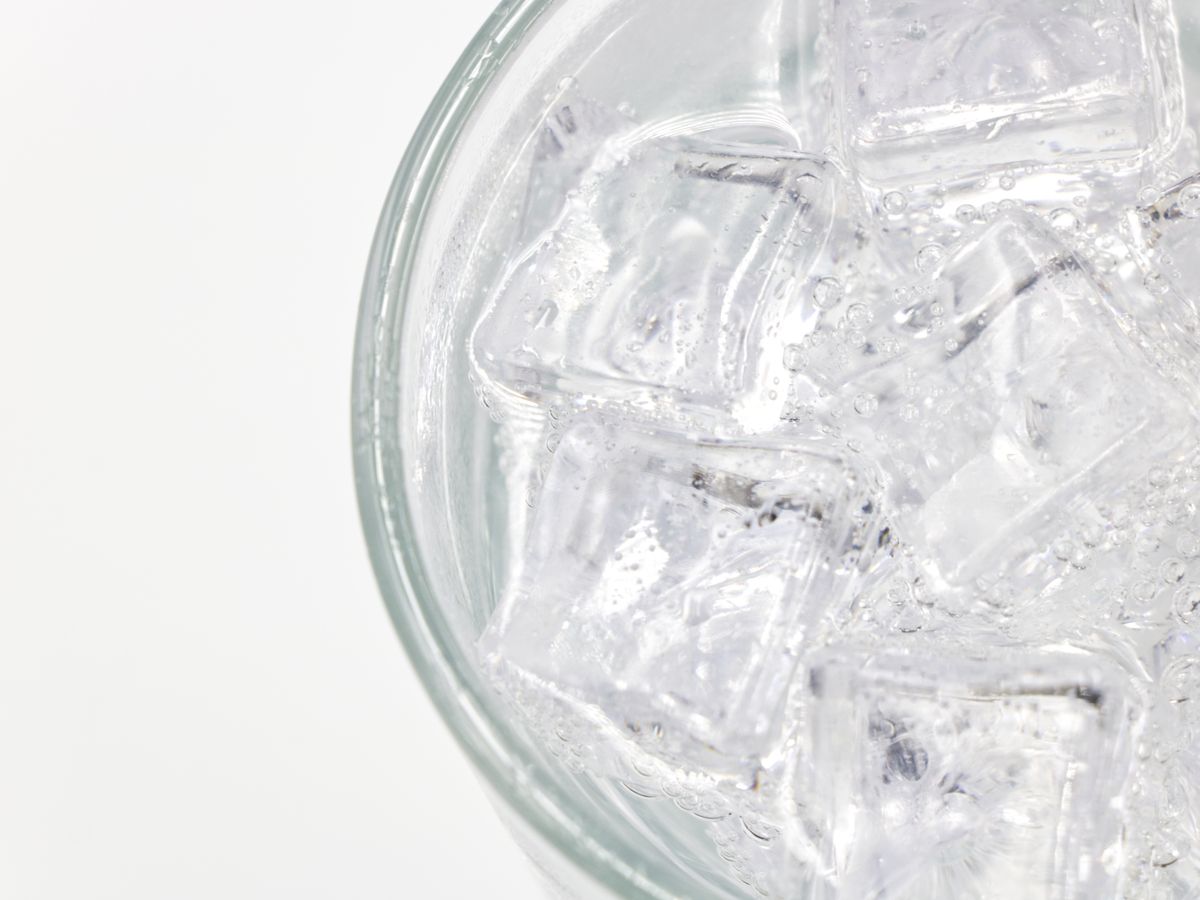
Ice floats, so lakes freeze from the top
Water expands when it freezes, making ice about 0.92 g/cm³. The ice stays on top like a lid, and the water underneath stays liquid, so fish survive the winter.
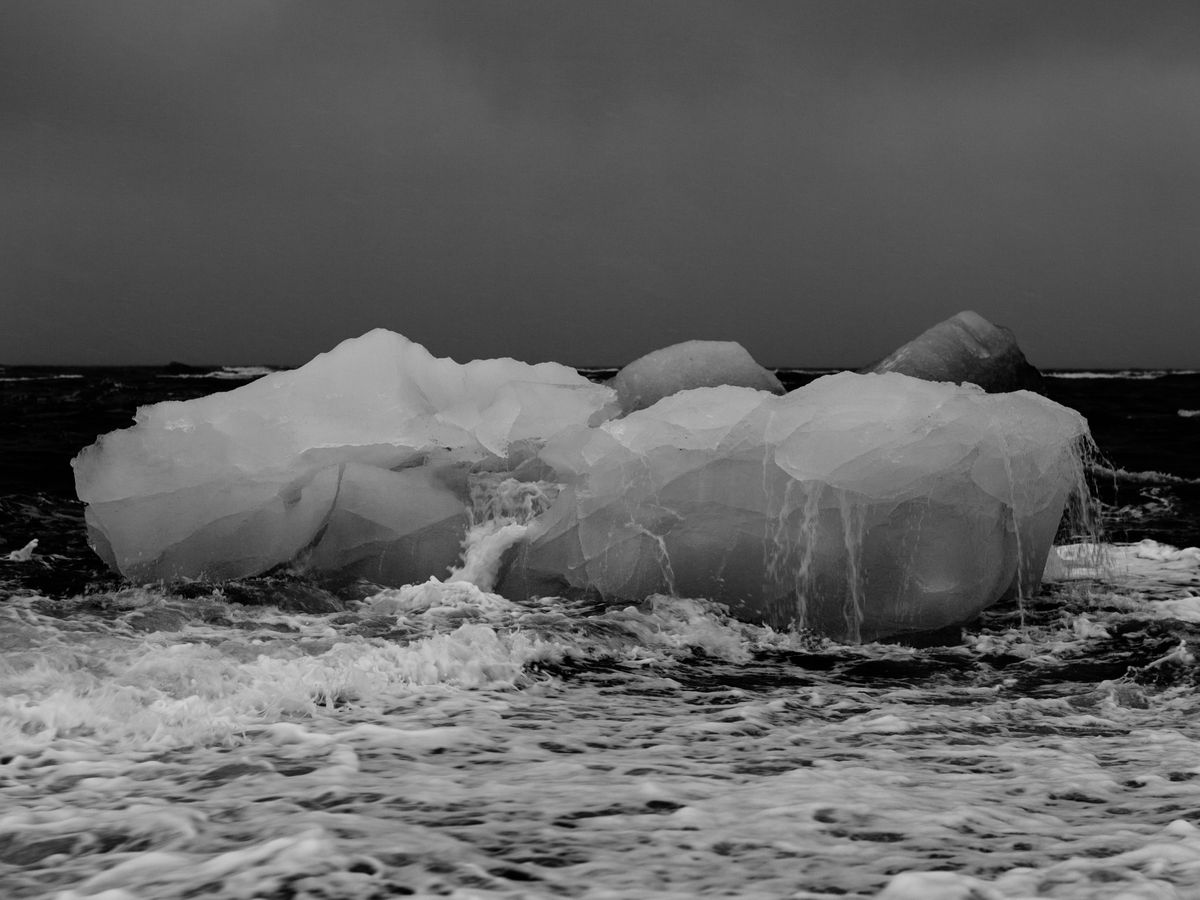
About 90% of an iceberg is hidden
Ice is only a little less dense than sea water, so roughly nine tenths of an iceberg sits under the surface. That is where the saying “the tip of the iceberg” comes from.
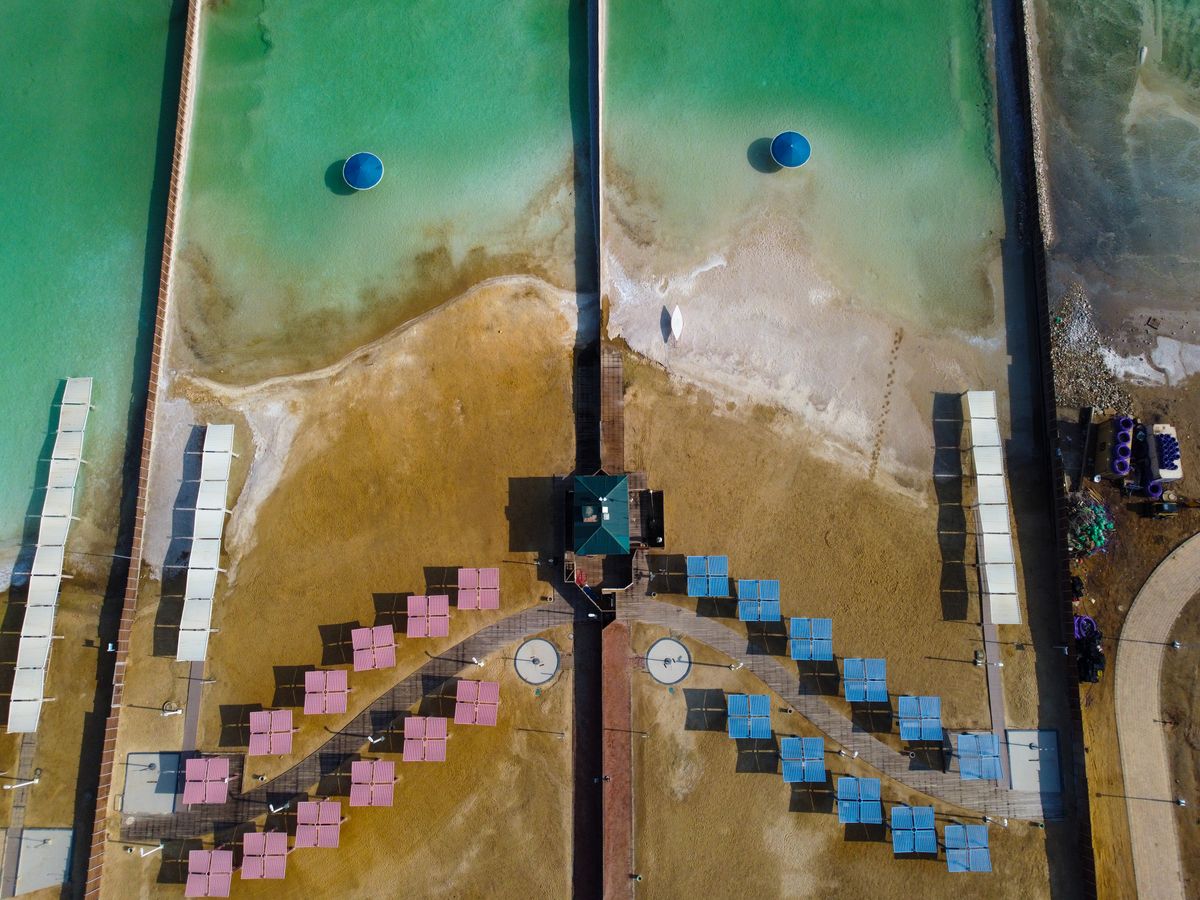
Float like a cork in the Dead Sea
The Dead Sea is about 1.24 g/cm³, much denser than your body, so you bob on top without even trying to swim.
Old eggs float, fresh eggs sink
Over time, moisture escapes through the shell and the air cell inside grows. An old egg becomes less dense and starts to float.
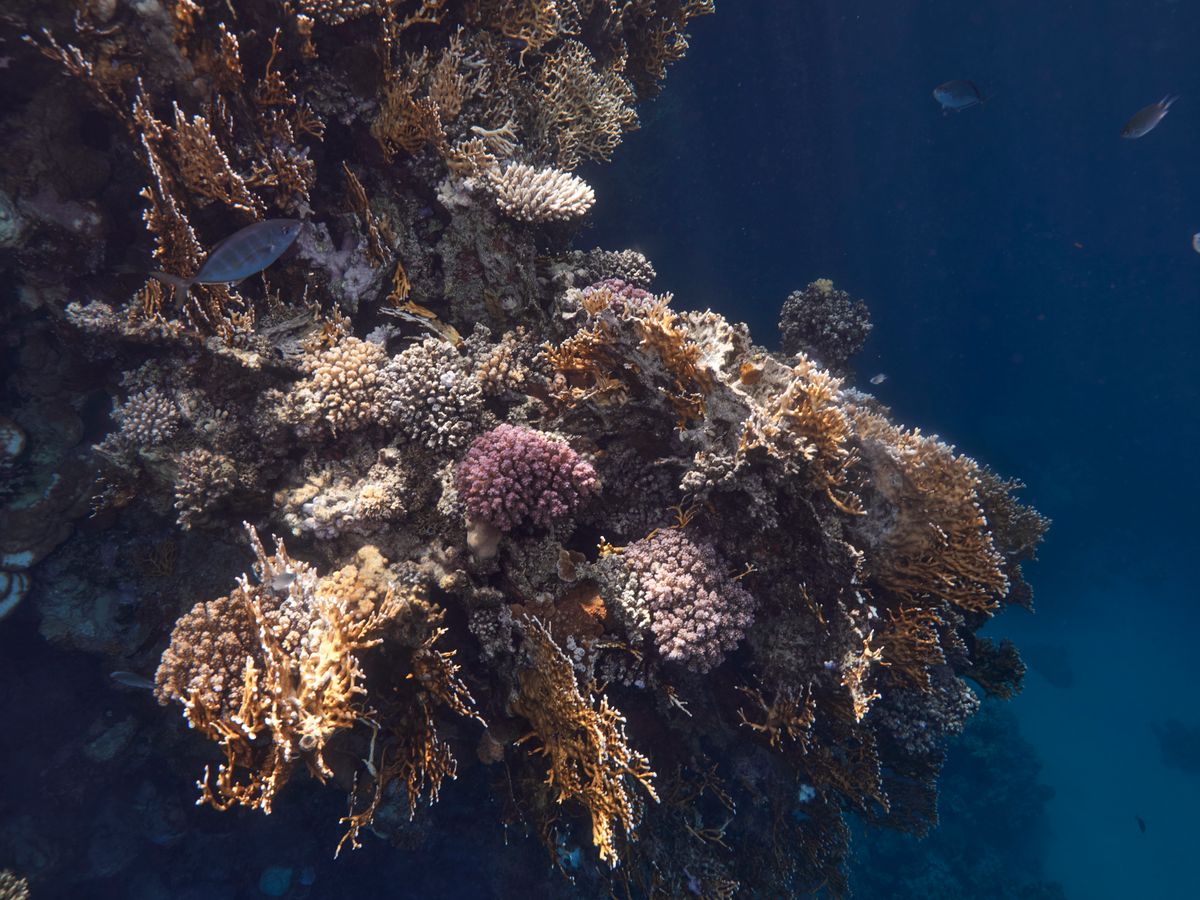
The Red Sea is saltier than most oceans
Hot sun evaporates lots of water and few rivers flow in, so the Red Sea is about 4% salt compared with about 3.5% for the average ocean. That makes it a little easier to float.
Diet soda floats, regular soda sinks
A can of regular soda has around 35–40 g of dissolved sugar, enough to make it denser than water. Diet soda uses a tiny amount of sweetener, so its can floats.
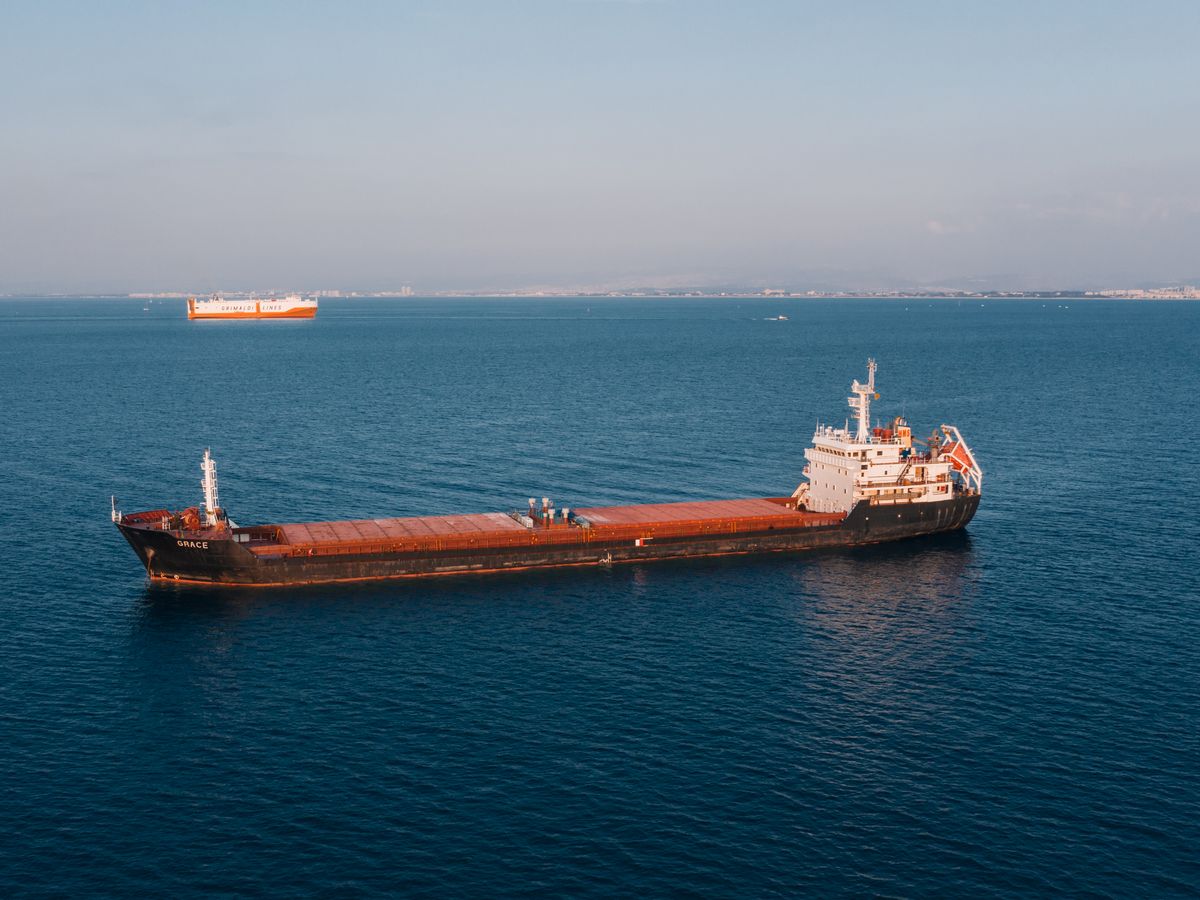
Giant steel ships float by displacement
A cargo ship can weigh over 200,000 tonnes. Its huge hollow hull pushes aside an even greater weight of water, so the buoyant force holds it up.
You are about 60% water
That is why a human body is close to the density of water, around 0.98 to 1.02 g/cm³ depending on breath and body make-up.
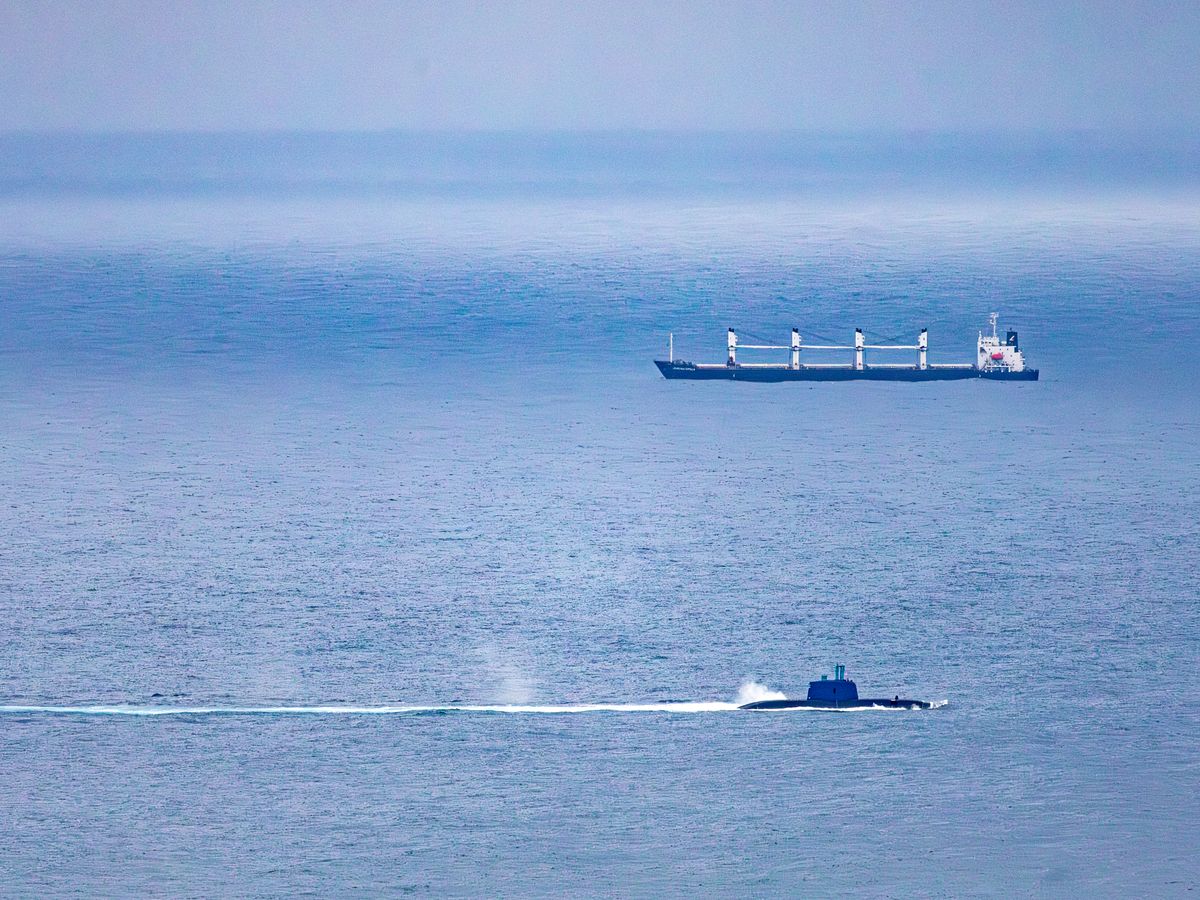
Submarines dive by filling tanks with water
To sink, a submarine lets sea water into its ballast tanks and becomes denser. To rise, it blows the water out with compressed air and becomes less dense again.
Pumice is a rock that floats
Pumice forms when frothy lava cools fast, trapping thousands of gas bubbles. Many pieces are less dense than water and drift for months.

Hot air balloons float in air
Heated air spreads out and becomes less dense than the cooler air around it. The balloon rises by the same principle that makes wood float in water.
Fish have a built-in float
Many fish have a swim bladder, a gas-filled bag they inflate or empty to stay suspended at any depth without swimming up or down.
Test yourself
Ten objects, float or sink? See how many you get right.